

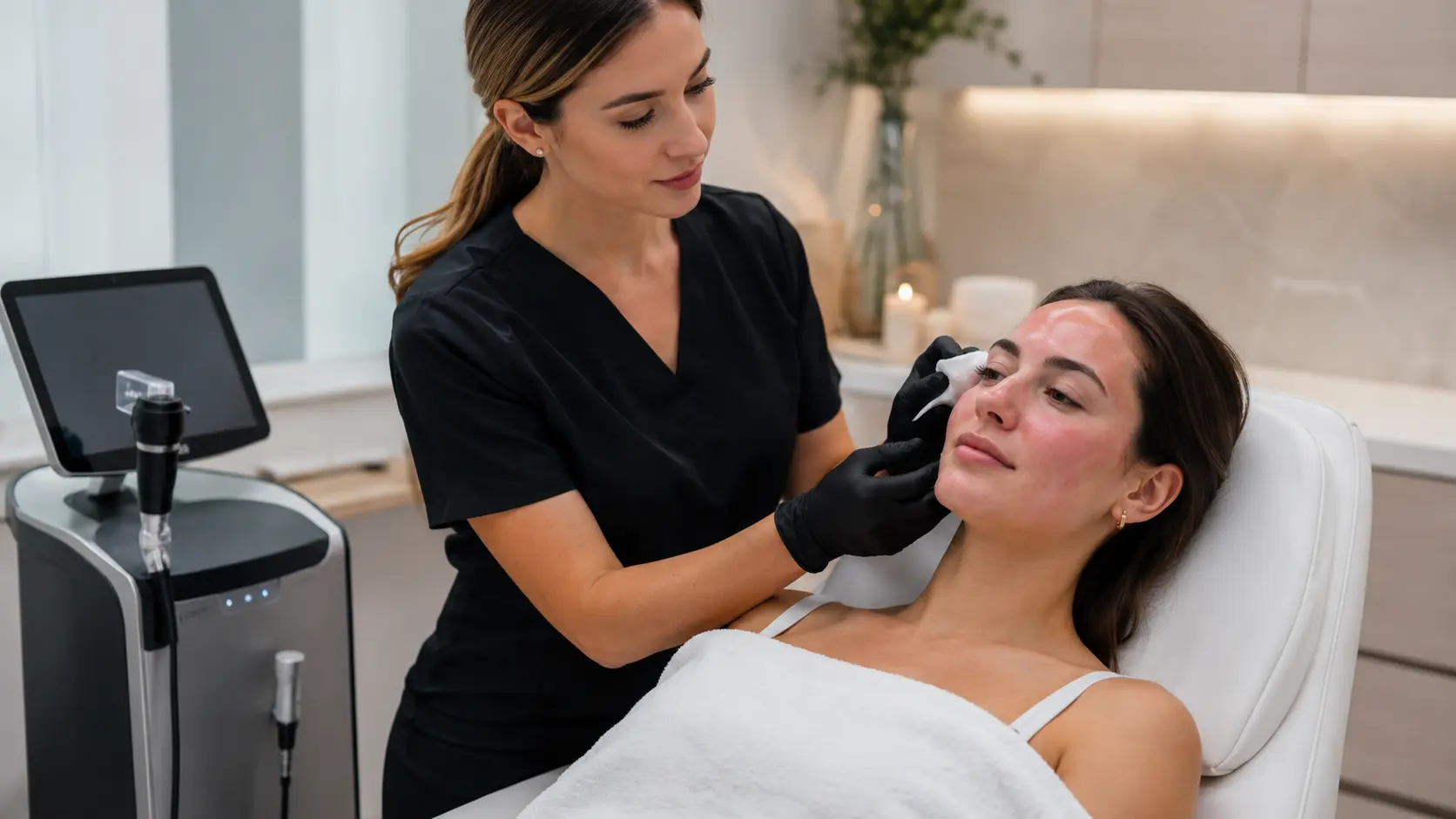
Morpheus8 combines microneedling with radiofrequency energy to create controlled treatment zones at selected depths beneath the skin. These controlled effects are intended to stimulate a natural healing response and support improvements in firmness, texture, and overall skin quality.
Although many patients experience limited social downtime, the skin still needs time to recover. Following your provider’s Morpheus8 aftercare instructions is one of the most important parts of the treatment process.
This guide explains what the recovery period may look like, what to avoid, and which symptoms should be reported to your provider.
Why Morpheus8 Aftercare Matters
After a Morpheus8 treatment, the skin barrier may be temporarily more sensitive. Tiny treatment points created by the microneedles need to close and heal, while the deeper tissue responds to the radiofrequency energy delivered during the procedure.
Appropriate aftercare can help:
- Reduce unnecessary irritation
- Protect the treated skin
- Lower the risk of infection
- Prevent avoidable pigmentation changes
- Support a more comfortable recovery
- Protect the treatment area from sun exposure
- Help patients recognize an unusual reaction early
Your exact instructions may differ depending on the treatment depth, energy settings, body area, skin type, and whether Morpheus8 was combined with another procedure.
Always follow the personalized instructions provided by your treating clinician.
Immediately After Morpheus8
Right after treatment, the skin may look flushed or feel warm, similar to a mild or moderate sunburn.
Common temporary reactions can include:
- Redness
- Warmth
- Mild swelling
- Tenderness
- Tightness
- A dry or rough feeling
- Small visible treatment dots
- Mild sensitivity when washing the area
Patients with deeper skin tones may notice temporary darkening or a deeper shade in the treated area instead of obvious redness.
Your provider may apply a soothing post-treatment product before you leave the office. Avoid adding unapproved skincare products immediately afterward.
The First 24 Hours
During the first day, treat your skin gently.
Do not scrub, exfoliate, pick, or rub the treatment area. If your provider allows you to wash your face, use lukewarm water and a mild cleanser without fragrance, exfoliating acids, or abrasive particles.
Patients are commonly advised to wait at least 24 hours before applying makeup. Applying makeup too soon may introduce irritating ingredients or bacteria while the skin barrier is recovering.
Your provider may also ask you to temporarily avoid:
- Strenuous exercise
- Saunas and steam rooms
- Hot tubs
- Tenderness
- Very hot showers
- Swimming pools
- Direct sun exposure
- Alcohol-based skincare
- Facial brushes or cleansing devices
The exact restriction period depends on how your skin responds and how intensively the area was treated.
Days Two and Three
Redness and swelling often begin to improve during the first few days, although some patients remain pink, sensitive, or slightly puffy.
The skin may start to feel:
- Dry
- Tight
- Rough
- Mildly itchy
- Similar to fine sandpaper
Small dots or tiny crusts may become more visible. Do not scratch, peel, or remove them. They should be allowed to shed naturally.
Continue using only the gentle products recommended by your provider. This is generally not the time to restart strong anti-aging or acne products.
Products that may need to remain paused include:
- Retinoids
- Prescription tretinoin
- Glycolic acid
- Salicylic acid
- Strong vitamin C serums
- Benzoyl peroxide
- Exfoliating toners
- Facial scrubs
- At-home peeling solutions
Ask your provider when each product can safely be reintroduced.
Days Four Through Seven
By this point, many patients notice a significant reduction in redness and swelling. The skin may still appear dry or feel slightly textured as the remaining treatment points heal.
Continue to avoid picking at flakes or small crusts. Removing them early may irritate the skin and increase the possibility of discoloration or scarring.
You may be able to return gradually to your normal skincare routine, but only after receiving guidance from your provider.
Even when the skin looks normal, it may remain more sensitive to sunlight and active ingredients than it was before treatment.
Weeks Two Through Four
Most visible recovery is usually complete by this stage, but deeper remodeling continues beneath the surface.
Morpheus8 results are not limited to what you see during the first week. Improvements in skin texture and firmness may develop gradually as the treated tissue heals and collagen remodeling progresses.
The full timeline varies based on:
- Treatment depth
- Energy level
- Number of passes
- Treatment area
- Age
- Skin condition
- Healing response
- Number of sessions completed
Some patients are advised to complete a series of treatments rather than relying on one appointment.
What Should You Put on Your Skin After Morpheus8?
Use only products approved by your provider during the early recovery period.
A simplified routine may include:
Gentle cleanser
Choose a mild cleanser without fragrance, scrubbing particles, or exfoliating acids.
Recommended moisturizer
A simple moisturizer can help reduce dryness and support the skin barrier. Avoid introducing a new product immediately after treatment unless it has been approved.
Broad-spectrum sunscreen
Sun protection is essential after Morpheus8. Use the sunscreen recommended by your provider and limit unnecessary direct exposure.
Physical protection can also help. Consider wearing a wide-brimmed hat, staying in the shade, and avoiding peak sunlight whenever possible.
Post-treatment products
Your provider may recommend specific soothing or restorative products based on your treatment and skin type. Do not assume that every “natural” or “medical-grade” product is safe to use immediately after the procedure.
What Should You Avoid After Morpheus8?
Although individual instructions vary, patients are generally advised to avoid anything that creates unnecessary heat, friction, irritation, or contamination while the skin heals.
This may include:
- Picking or scratching the treated skin
- Aggressive facial massage
- Scrubs and exfoliating brushes
- Retinoids and strong acids
- Unapproved serums
- Tanning beds
- Direct sun exposure
- Self-tanning products
- Waxing
- Chemical peels
- Other energy-based treatments
- Swimming before the skin has healed
- At-home microneedling devices
Do not schedule another facial or aesthetic treatment without telling the provider that you recently had Morpheus8.
How Long Does Morpheus8 Redness Last?
Redness commonly improves over several days, but recovery is not identical for every patient.
Some people look mildly flushed for a day, while others may remain visibly red or darker in the treated area for several days. Deeper or more aggressive treatment may require a longer recovery period.
Contact the treating provider when redness becomes more intense instead of improving, particularly when accompanied by severe pain, blistering, drainage, increasing warmth, or significant swelling.
When Should You Call Your Provider?
Mild redness, tenderness, dryness, and swelling can occur during normal recovery. However, worsening or unexpected symptoms should be evaluated.
Contact your provider promptly if you experience:
- Severe or increasing pain
- Blistering
- Open wounds
- Drainage or pus
- Spreading redness
- Fever
- Significant burns
- Persistent numbness
- Unusual weakness in the treated area
- Rapidly worsening swelling
- A dramatic change in skin color
- Changes in facial movement
- New depressions or unexpected loss of volume
- Any reaction that concerns you
The U.S. Food and Drug Administration has received reports of serious complications with certain uses of radiofrequency microneedling, including burns, scarring, fat loss, disfigurement, and nerve damage.
This does not mean that every patient will experience these problems. It reinforces why RF microneedling should be treated as a medical procedure performed by a licensed provider with appropriate training and experience.
RF microneedling devices should not be used at home.
Can You Wear Makeup After Morpheus8?
Patients are generally advised to wait at least 24 hours before applying makeup, and sometimes longer if the skin remains irritated or open.
When your provider clears you to use makeup:
- Use clean brushes or applicators
- Avoid expired products
- Do not apply makeup over open or weeping skin
- Remove it gently
- Stop using it if burning or irritation occurs
Do not use makeup to cover a reaction that should be examined by your provider.
Can I Work Out After Morpheus8?
Exercise increases heat, sweating, and blood flow, which may make temporary redness or swelling more noticeable.
Your provider will tell you when strenuous exercise can be resumed. The appropriate waiting period depends on the treatment area and intensity.
Light daily activity may be acceptable sooner, but avoid making assumptions. Follow the instructions given at your appointment.
How Can You Support the Best Possible Results?
Morpheus8 outcomes depend on more than the treatment session itself.
You can support your recovery by:
- Following the complete aftercare plan
- Protecting your skin from the sun
- Avoiding unnecessary irritation
- Staying consistent with recommended treatments
- Attending follow-up appointments
- Using an appropriate home skincare routine
- Reporting unusual symptoms promptly
- Avoiding smoking and other habits that may interfere with healing
Results vary, and no aesthetic procedure can guarantee a specific outcome.
Morpheus8 BURST in Hallandale Beach
At VITAL MedSpa, Morpheus8 BURST treatments are planned according to each patient’s skin condition, treatment area, and aesthetic goals.
Before treatment, our team can explain what to expect, review relevant health information, discuss possible risks, and provide personalized recovery instructions.
Schedule a consultation at VITAL MedSpa in Hallandale Beach to learn whether Morpheus8 BURST is appropriate for your skin and rejuvenation goals.
This article is for general educational purposes. It does not replace personalized medical advice or the aftercare instructions provided by your treating clinician.