

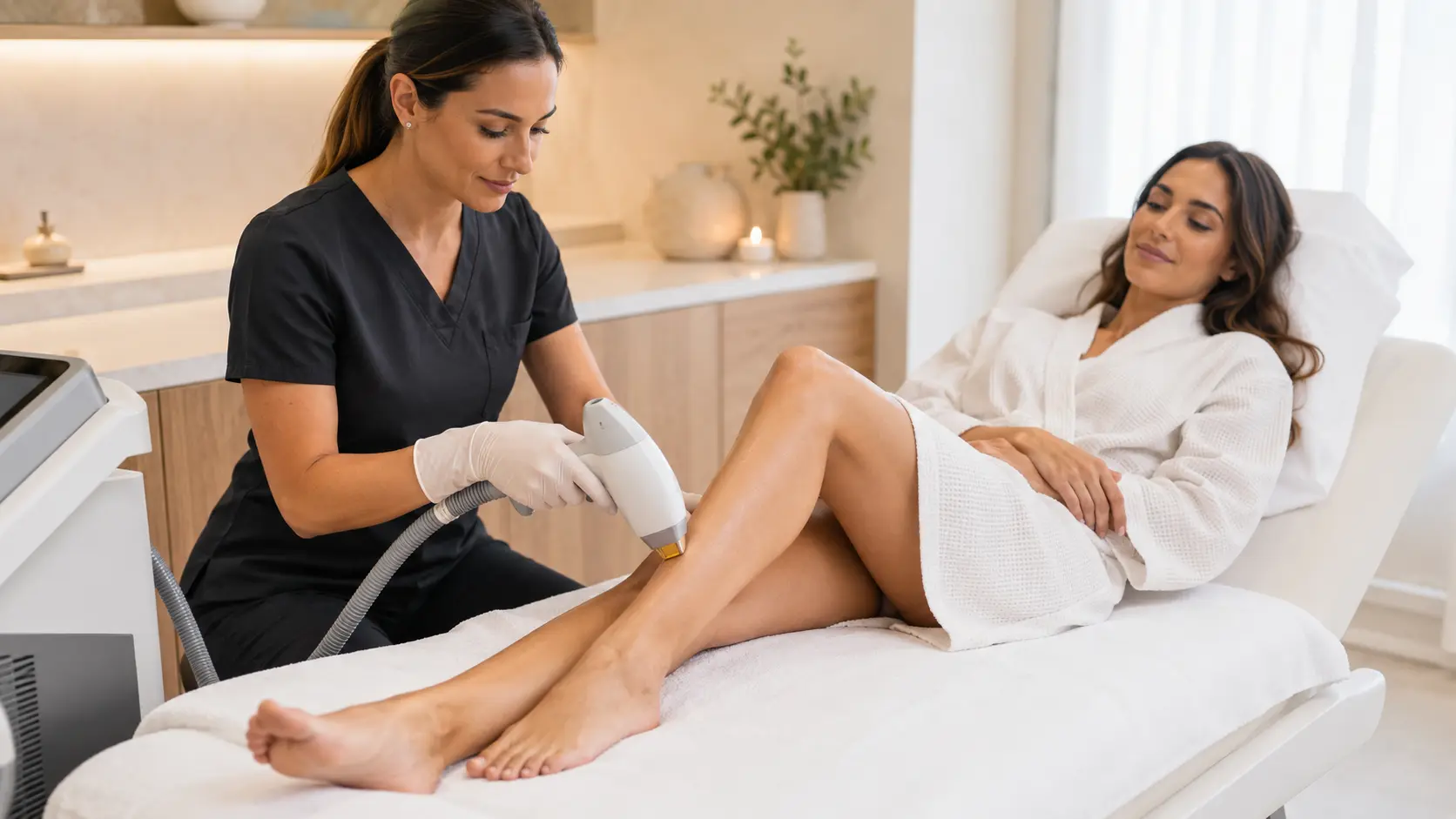
Laser hair removal can provide long-term reduction in unwanted hair, but what you do before and after each appointment matters. Proper laser hair removal aftercare helps protect sensitive skin, minimize irritation, and reduce the risk of delays between sessions.
Most patients can return to their normal routine quickly. However, the treated skin may temporarily feel warm, sensitive, or slightly swollen. Following a few practical precautions can make the recovery process more comfortable and help you avoid unnecessary skin reactions.
This guide explains how to prepare for your appointment, what to avoid after laser hair removal, and when you should contact your provider.
Why Laser Hair Removal Aftercare Matters
Laser hair removal works by delivering controlled light energy to the pigment within the hair. The heat created by the treatment affects the hair follicle and slows future growth.
Because heat is involved, the surrounding skin may be temporarily sensitive. Mild redness, swelling around the follicles, or a sensation similar to a minor sunburn can occur. These reactions commonly improve within several hours, although some patients may notice sensitivity for longer depending on the treatment area and their skin.
Good aftercare is not only about comfort. It can also help reduce the risk of:
- Prolonged irritation
- Burns or blisters
- Temporary darkening or lightening of the skin
- Delayed appointments because of tanning or skin damage
- Discomfort caused by heat, friction, or harsh products
Your provider’s instructions should always take priority because recommendations may vary according to your skin tone, treatment area, device settings, and reaction to the session.
How to Prepare Before Laser Hair Removal
Proper preparation begins well before you arrive at the medical spa.
Avoid Waxing, Plucking, and Tweezing
Do not remove the hair from the root before your appointment. Waxing, plucking, tweezing, and electrolysis can temporarily remove the part of the hair that the laser needs to target.
Patients are commonly instructed to stop these methods several weeks before treatment. Mayo Clinic recommends avoiding waxing, plucking, and electrolysis for at least four weeks before a laser hair removal session.
You may usually continue shaving because shaving cuts the hair at the surface without removing the follicle.
Shave Before Your Appointment
Your provider will generally ask you to shave the treatment area shortly before your appointment, often the day before.
Shaving helps prevent long hair above the skin from absorbing unnecessary energy while keeping the hair beneath the surface available for treatment. Avoid shaving immediately before the session when possible, especially if shaving normally causes cuts, razor burn, or significant irritation.
Follow the specific timing provided by your treatment team.
Avoid Tanning and Excessive Sun Exposure
Sun exposure is one of the most important considerations before laser hair removal.
Tanned skin contains more pigment, which can make it more difficult for the device to distinguish between the skin and the targeted hair. This may increase the risk of irritation, burns, or temporary pigment changes.
Before treatment, avoid:
- Sunbathing
- Tanning beds
- Spray tans
- Self-tanning creams
- Prolonged unprotected sun exposure
Use a broad-spectrum sunscreen with an SPF of at least 30 on exposed treatment areas and let your provider know if your skin has recently tanned. Patients with an active tan may need to postpone their appointment for safety.
This is especially important for patients living in or visiting South Florida, where regular sun exposure can occur throughout the year.
Review Medications and Skin Products
Tell your provider about all prescription medications, over-the-counter products, vitamins, and supplements you use. Certain medications may increase sensitivity to light or affect how the skin heals.
You should also ask when to stop potentially irritating products such as:
- Retinoids
- Prescription acne medications
- Glycolic acid
- Salicylic acid
- Strong exfoliating treatments
- Chemical peels
- Bleaching products
Do not stop a prescribed medication without consulting the healthcare professional who prescribed it.
Arrive With Clean Skin
The treatment area should generally be clean and free of products. Avoid applying lotion, body oil, deodorant, perfume, makeup, or self-tanner to the area unless your provider tells you otherwise.
Clean skin allows the provider to properly evaluate and treat the area.
What to Expect Immediately After Treatment
Immediately after your appointment, the area may appear slightly red or feel warm. Small bumps around the treated follicles can also occur.
These reactions are generally temporary and may resemble mild razor irritation or a light sunburn. A cooling device, cool compress, or soothing product may be used to make the area more comfortable.
Do not scratch, rub, or pick at the skin. Even if the area feels itchy, unnecessary friction can make irritation worse.
What to Avoid After Laser Hair Removal
The first few days are the most important part of laser hair removal aftercare. Your exact restrictions will depend on the treatment area and your provider’s recommendations.
Avoid Direct Sun Exposure
Treated skin can be more vulnerable to sunlight. Avoid intentionally tanning and protect the area whenever you are outdoors.
Mayo Clinic recommends protecting treated areas from sun exposure for six weeks after treatment, or for the period directed by your provider, and using broad-spectrum SPF 30 or higher every day.
For exposed areas such as the face, arms, or legs:
- Apply sunscreen daily
- Reapply it when outdoors
- Wear protective clothing when practical
- Seek shade during periods of intense sunlight
- Avoid tanning beds completely
Sun protection is particularly important for reducing the risk of temporary hyperpigmentation or hypopigmentation.
Avoid Hot Showers, Saunas, and Steam Rooms
The treated skin has already been exposed to controlled heat. Additional heat may intensify redness, swelling, or discomfort.
Avoid very hot showers, hot baths, saunas, steam rooms, and hot tubs until the skin has returned to normal. Use cool or lukewarm water and avoid scrubbing the treatment area.
Some medical laser centers advise avoiding heat-based activities for several days, so follow the timeframe given by your provider.
Avoid Intense Exercise Until the Skin Settles
Exercise increases body temperature and perspiration. Sweat, heat, and friction from tight workout clothing may irritate freshly treated skin.
Your provider may recommend postponing strenuous exercise for several days, particularly after treating larger or high-friction areas such as the bikini line, underarms, back, or legs.
Light daily activities may be acceptable when the skin feels comfortable. Before returning to an intense workout, make sure that significant redness, warmth, and sensitivity have resolved.
Avoid Swimming
Pools, hot tubs, oceans, and other bodies of water may expose the area to chlorine, salt, bacteria, heat, or friction.
Avoid swimming until the skin is no longer irritated and your provider has cleared you to return. This can be especially important when the bikini area, legs, underarms, or other sensitive locations have been treated.
Avoid Harsh or Fragranced Products
For the first few days, keep your skin care simple.
Avoid applying products that contain:
- Fragrance
- Alcohol
- Retinol or retinoids
- Strong acids
- Physical scrubs
- Exfoliating beads
- Harsh acne ingredients
- Bleaching agents
Use only gentle, provider-approved products. Fragranced body lotions, deodorants, and perfumes may cause stinging when applied to recently treated skin.
Do Not Wax or Pluck Between Sessions
Hair does not disappear immediately after treatment. The affected hairs gradually shed over several days or weeks, and this can sometimes look like continued growth.
Do not wax, pluck, or tweeze the remaining hair. Removing hair from the root may interfere with your next session.
Shaving is generally the preferred maintenance method between appointments once the skin has recovered.
When Can You Shave After Laser Hair Removal?
Do not shave while the area is still red, swollen, tender, or irritated.
The safest timing varies. Some patients may be able to shave after the skin settles, while providers using certain protocols may recommend waiting several days. One NHS laser center, for example, advises avoiding shaving for five days after treatment.
When you resume shaving:
- Use a clean, sharp razor
- Apply minimal pressure
- Avoid repeatedly passing over the same spot
- Do not shave over blisters, scabs, or broken skin
- Stop if the area begins to sting or burn
Always follow the specific instructions given during your appointment.
When Can You Exfoliate?
Do not exfoliate immediately after laser hair removal.
Once the redness and sensitivity have fully resolved, gentle exfoliation may help remove dead skin and release hairs as they shed. However, exfoliating too early or aggressively can damage the skin barrier.
Avoid rough scrubs, exfoliating gloves, strong acids, and excessive rubbing. Ask your provider when it is safe to restart your usual exfoliating routine.
What Is Normal After Laser Hair Removal?
Common temporary reactions may include:
- Mild redness
- Warmth
- Slight swelling around the follicles
- Temporary tenderness
- Mild itching
- Hair shedding over the following days or weeks
These symptoms should gradually improve rather than become more severe.
When Should You Contact Your Provider?
Contact your laser hair removal provider if you experience:
- Significant or worsening pain
- Blisters
- Open or broken skin
- Extensive crusting
- Severe swelling
- Signs of infection
- Redness that continues to spread
- Dark or light patches that concern you
- A reaction that does not improve as expected
Blistering, crusting, scarring, and changes in skin texture are uncommon but recognized risks of laser hair removal. Early professional guidance can help determine the appropriate next step.
Frequently Asked Questions About Laser Hair Removal Aftercare
You can generally shower, but use cool or lukewarm water. Avoid hot water, strong soaps, body scrubs, and rubbing the treatment area with a towel.
Use only a gentle, fragrance-free product approved by your provider. Avoid fragranced lotions, body oils, acids, and active skin care ingredients while the skin is sensitive.
Deodorant may sting or irritate freshly treated underarms. Your provider may recommend waiting until redness and sensitivity resolve before applying it again.
It is best to avoid beach exposure immediately after treatment because of direct sunlight, heat, sweat, saltwater, and sand. Schedule appointments around beach plans and ask your provider how long you should wait.
Do not use self-tanner immediately after treatment or shortly before your next appointment. Self-tanning products can irritate sensitive skin and may interfere with the provider’s ability to safely evaluate your skin tone.
Mild redness and swelling often improve within several hours. Some patients may remain sensitive for longer depending on their skin, the area treated, and the settings used. Contact your provider if the reaction is severe or worsening.
Plan Your Laser Hair Removal Treatment in Hallandale Beach
Laser hair removal is a gradual process. Because hair grows in different cycles, most patients require multiple appointments and may eventually benefit from maintenance sessions.
Following proper laser hair removal aftercare can help keep your skin comfortable and your treatment schedule moving forward. Protect the area from the sun, avoid unnecessary heat and friction, use gentle products, and resist the temptation to wax or pluck between sessions.
At VITAL MedSpa in Hallandale Beach, treatment recommendations are personalized according to your skin tone, hair characteristics, medical history, and desired treatment areas.
Schedule a consultation to learn whether laser hair removal is appropriate for your skin and receive personalized preparation and aftercare instructions.
This article is for educational purposes and does not replace individualized medical advice. Always follow the instructions provided by your treating healthcare professional.