

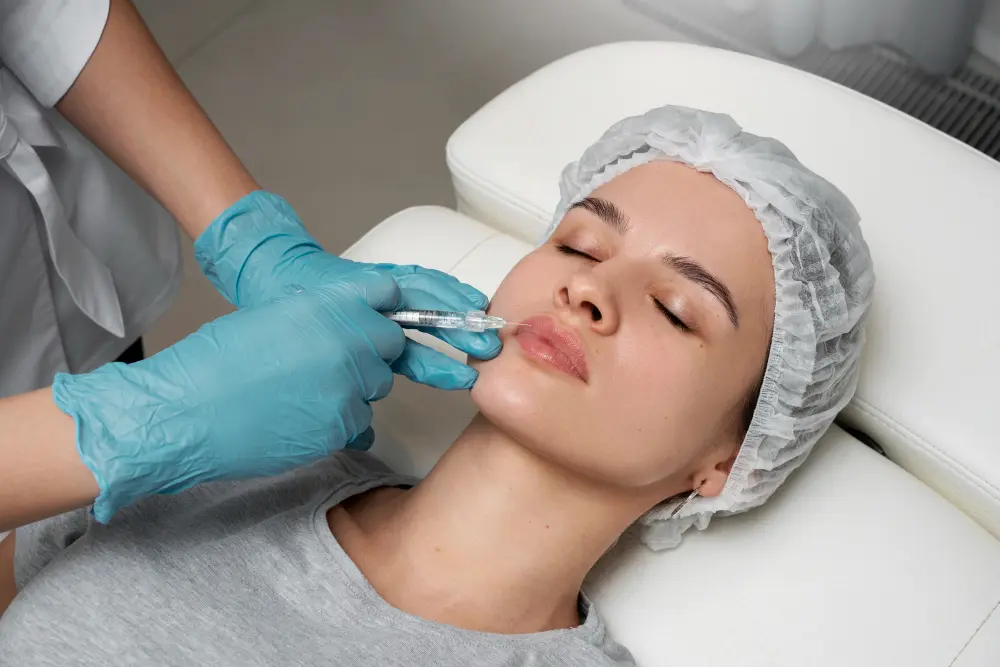
Swelling after lip filler is usually most noticeable in the first 24–48 hours. Most people see a big improvement by days 3–7, while the lips typically look fully “settled” by about 2 weeks. Your exact timeline depends on injection technique, product choice, and how your body responds to inflammation.
Swelling after lip filler is usually most noticeable in the first 24–48 hours. Most people see a big improvement by days 3–7, while the lips typically look fully “settled” by about 2 weeks. Your exact timeline depends on injection technique, product choice, and how your body responds to inflammation.
If you’re reading this because you’re staring in the mirror thinking, “Why do my lips look extra right now?” you’re not alone. Lip tissue is highly vascular, and even a gentle injection can trigger temporary inflammation. The key is knowing what’s normal, what helps, and when to call your provider.
Lip Filler Swelling Stages: Day-by-Day Healing Timeline
Below is a realistic, clinic-style timeline that matches what most patients experience. Use it as a guide not a strict rulebook because everyone heals a little differently.
Day 0 (Treatment Day): Immediate Puffiness & Tenderness
Right after your appointment, your lips may look fuller than expected. Some of that “wow” is the filler itself but a noticeable portion can be early swelling plus local irritation from injections.
Common today
- Mild to moderate puffiness
- Tenderness, tightness, warmth
- Small pin-point marks at injection sites
What helps
- Short intervals of a cold compress (not directly on bare skin for long)
- Keep your head elevated when you rest
- Stay hydrated and avoid salty foods that can make you retain fluid
What not to judge yet
- Final size
- Symmetry
- Border definition (Cupid’s bow/vermillion border can look blurry at first)
Lip Filler Day 2: Peak Swelling and What to Expect
This is typically the peak swelling window for many patients. It can feel like your lips are “puffy” or even slightly stiff. Some people also notice the top lip swells more than the bottom pretty normal.
Common today
- Peak fullness/swelling
- Sensitivity when eating or smiling
- Mild unevenness side-to-side
Pro tip
If you have an event, try to schedule lip filler at least 2 weeks in advance. That gives your body enough time to fully settle.
Lip Filler Day 3–4: Bruising, Swelling & Temporary Asymmetry
This is the phase that freaks people out because swelling doesn’t always go down evenly. You may wake up looking different on each side day to day. Bruising (if you get it) can show more clearly now.
Common today
- Bruising or discoloration
- One side swelling more than the other
- Lips feeling firmer in certain spots
Reality check
“Uneven” in this phase does not automatically mean “bad result.” You’re often seeing swelling patterns, not final shape.
Days 5–7: Swelling Drops & Shape Starts to Look Natural
For many people, this is when lips start looking more like “the result” rather than “the aftermath.” You may still notice mild puffiness in the mornings or after workouts/heat.
Common today
- Noticeable reduction in swelling
- Softening texture
- Shape becoming more predictable
What you can usually do now
- Most normal social life without feeling like everyone is staring at your mouth
- Light workouts (depending on your injector’s guidance)
0.5 mL Lip Filler Swelling Stages: What to Expect
After 0.5 mL of lip filler, swelling can still be noticeable during the first few days even though a smaller amount of product was used. The amount of swelling does not depend only on filler volume; injection technique, individual sensitivity, treatment area, and the body’s inflammatory response can also affect how the lips look during recovery.
Swelling often becomes most noticeable during the first 24–48 hours and then gradually improves over the following several days. By the end of the first week, the lips typically begin to look more settled, while the final shape and feel may continue to refine over the next one to two weeks.
Because every patient heals differently, the early swollen appearance should not be used to judge the final result. Follow the aftercare instructions provided by your injector and contact your provider if swelling becomes unusually severe, increasingly painful, or is accompanied by other concerning symptoms.
How Long Do Lip Fillers Take to Settle? Days 8–14
This is your “okay, now I can evaluate” window. By around two weeks, the filler has typically integrated and the lips look more stable in size and shape.
Common today
- Small day-to-day fluctuations fade
- Any firmness continues to soften
- Final proportions become clear
Best time for follow-up
Many clinics schedule check-ins or touch-up conversations around this time because it’s the most fair point to assess results.
Why Lip Filler Swelling Happens (And Why It Can Be Uneven)
Swelling after lip filler isn’t a mystery it’s your body doing exactly what it’s designed to do.
Inflammation is normal
Even with a skilled injector and a careful technique, the body recognizes “something happened here” and responds with localized inflammation. That inflammation equals temporary swelling.
Hyaluronic acid can attract water
Most modern lip fillers are hyaluronic-acid (HA) based, which are designed to bind water and create a smooth, hydrated look. That’s a feature but early on it can add to the “puffy” feeling, especially in the first few days.
Why the top lip often swells more
The upper lip can be more reactive for some people due to anatomy, movement, and how swelling distributes in a small, delicate space. It doesn’t mean anything is “wrong” by default.
How to Reduce Swelling After Lip Filler (Fast, Safely)
You can’t hack biology completely but you can reduce avoidable triggers and support your healing.
First 24 hours: cold compress + elevate
- Use a cold compress in short intervals (think: a few minutes on, a few minutes off)
- Sleep slightly elevated
- Keep lip movement gentle (no aggressive stretching/pulling)
Avoid these early triggers (they can prolong swelling)
- Heat exposure (sauna, hot yoga, long hot showers)
- Alcohol (can increase inflammation and bruising)
- Intense workouts in the first 24–48 hours
- Very salty meals (water retention isn’t your friend right now)
Arnica, pineapple, antihistamines what’s the deal?
You’ll see a lot of advice online. In general:
- Arnica is commonly used for bruising support (varies by person)
- Pineapple/bromelain is often mentioned anecdotally for swelling
- Antihistamines: sometimes used if swelling is histamine-reactive, but don’t self-medicate ask your provider
If you’re on blood thinners or have a medical condition, always follow your clinician’s instructions first.
Should you massage lip filler lumps?
Don’t freestyle this. Some “bumps” are just swelling or temporary firmness and resolve on their own. Massage can help in specific situations but only if your injector tells you to, and shows you the correct method.
Provider Pro-Tip (Technique Matters)
Many injectors use advanced, tissue-sparing approaches such as cannula-based placement when appropriate to reduce unnecessary trauma. Fewer entry points and gentler placement can mean less bruising and swelling for some patients. Ask your provider what technique is best for your anatomy and goals.
(Note: technique selection is individualized; not every patient is a cannula candidate and not every injector uses the same approach.)
When to Worry About Lip Filler Swelling: Warning Signs
Most swelling is normal. But you should also know the line between “expected healing” and “needs attention.”
Usually normal (especially in the first week)
- Puffiness that gradually improves
- Mild tenderness
- Bruising
- Temporary asymmetry
- Mild firmness that softens over time
Call your provider ASAP if you notice:
- Severe or worsening pain
- Skin turning white, gray, or dusky in an area
- Blistering or scabbing that appears suddenly
- Vision changes (rare, urgent)
If you’re unsure, it’s always better to get a quick check than to “wait it out.”
If you have questions about your healing timeline or your lips don’t look the way you expected, Vital MedSpa’s team can help you sort out what’s normal and what needs a closer look.
Why Patients Choose Vital MedSpa for Natural-Looking Lip Filler Results
When people search “how long does lip filler swelling last,” they’re not just asking about time they’re asking about confidence: “Will I look natural? Will I heal well? Am I in good hands?”
At Vital MedSpa, the focus is on balanced, natural-looking results and patient education so you know what to expect before, during, and after treatment.
A few practical ways to turn this article into action:
- Not sure if your swelling is normal? Book a quick check-in.
- Planning an event? Schedule your appointment with the 2-week settling window in mind.
- First time getting filler? Start with a conservative plan and build gradually.
Want peace of mind about your current results? Schedule a consultation or follow-up with Vital MedSpa.
FAQs About Lip Filler Swelling (Quick Answers)
Usually within the first 24–48 hours, often peaking around days 1–2.
Bruising often fades within 3–7 days, but some people can take up to 10–14 days depending on sensitivity and aftercare.
Early firmness is common due to swelling and how the filler integrates. It typically softens over 1–2 weeks.
Yes especially during days 2–5. Uneven swelling is one of the most common (and most temporary) parts of healing.
Noticeable swelling often improves by days 3–7, with full settling by around 2 weeks for many people.
Many providers recommend avoiding intense workouts for 24–48 hours to reduce inflammation and bruising.
Heat, alcohol, intense exercise, and very salty meals early on are common triggers that can prolong swelling.
Wait until about 2 weeks to judge shape and symmetry.
If swelling worsens dramatically, pain becomes severe, you see unusual skin color changes, blistering, or any vision symptoms contact your provider urgently.
Initial swelling and tenderness after lip filler usually improve significantly during the first several days. Many patients feel that their lips look more settled after about one week, although mild swelling, firmness, or unevenness can continue to improve for up to two weeks.
The exact healing time varies based on the amount of filler used, injection technique, individual swelling response, and aftercare. It is generally best to wait until the lips have fully settled before judging the final result.
Conclusions
Lip filler swelling is usually a short-term phase: peak in 24–48 hours, significant improvement by days 3–7, and a more final, stable look by about 2 weeks. The best results come from pairing realistic expectations with smart aftercare and knowing when to ask your provider for guidance.
Ready for natural-looking lips with a recovery plan you understand? Book your visit with Vital MedSpa today.